
Identity and purpose
We review what the ingredient is, what it does in the formula, and whether a simpler or more aligned alternative exists.
¿Tienes una cuenta?
Inicia sesión para finalizar tus compras con mayor rapidez.
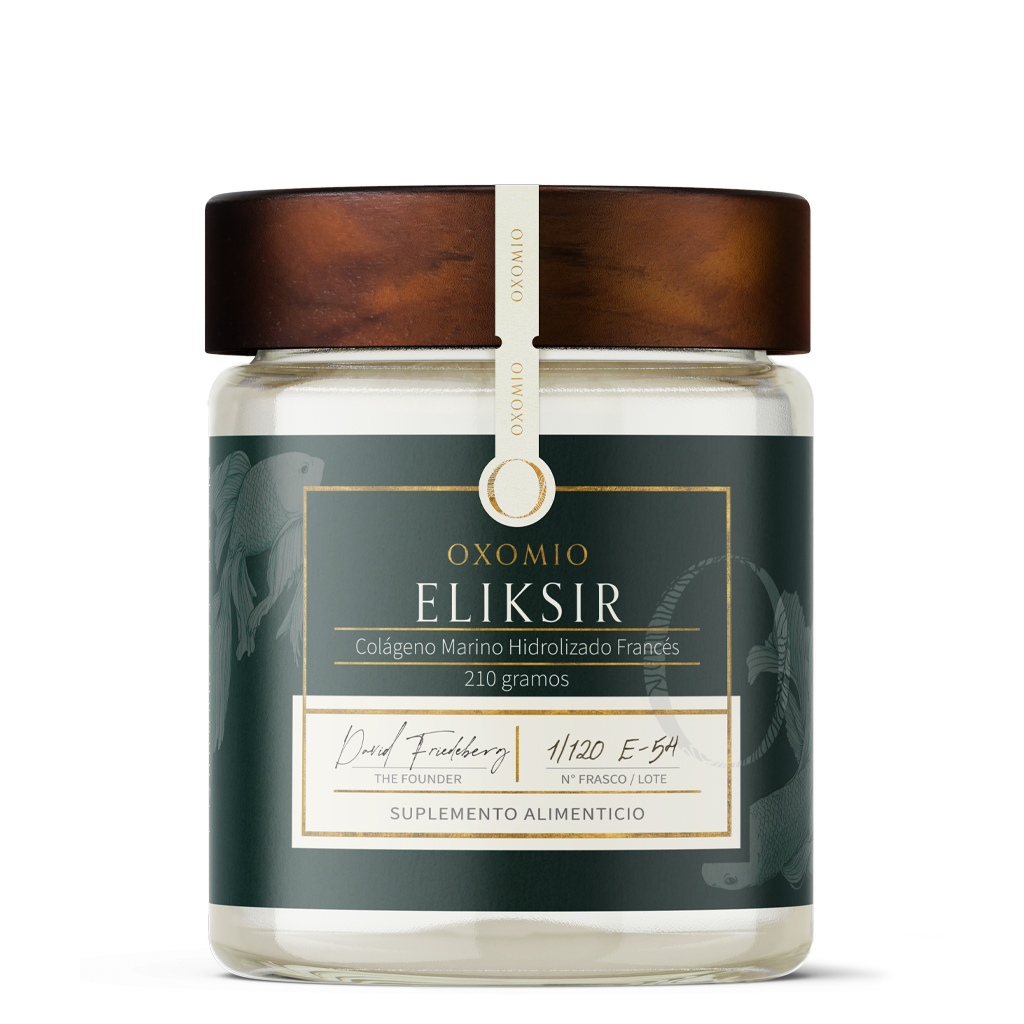
Productos OXOMIO que puedes obtener cada 40 o 60 días automáticamente hasta...
HOW WE EVALUATE
Before accepting an ingredient, we ask what it is, why it is used, how it is sourced and manufactured, what evidence and history of use exist, how traceable it is, and whether it meaningfully improves the formula. Inactive ingredients are still part of the product.
We review what the ingredient is, what it does in the formula, and whether a simpler or more aligned alternative exists.
We consider its source, manufacturing method, supplier documentation, and the traceability available.
We consider evidence, history of use, regulatory context, and whether the ingredient fits our formulation philosophy.
HOW TO READ THIS LIST
Our list reflects quality, technical necessity, tolerability, transparency, responsible sourcing, and brand-alignment criteria. It does not claim that every excluded ingredient is dangerous at every amount or in every context.
The standard also covers fillers, carriers, capsule materials, coatings, sweeteners, colors, preservatives, and processing aids.
Some ingredients may be legally permitted. Their presence here means OXOMIO chooses not to use them under this standard.
An ingredient not listed here must still pass our review. Avoiding these substances alone does not qualify a formula for acceptance.
We update our criteria as evidence, regulations, supply chains, and our formulations evolve.
COMPLETE LIST
Search by name or browse the alphabetical list. Open any ingredient to see why we exclude it. Names appear in English; search also recognizes the Spanish term.
Why don't we use it?
Its regulatory status, pharmacological action, or adverse-event profile falls outside what OXOMIO considers appropriate for a general-use supplement.
A safety and/or regulatory exclusion; requirements can differ by market.
Why don't we use it?
It is used primarily for sweetness, bulk, or processing. OXOMIO avoids added sweeteners and carbohydrates when they are not essential to the product's function.
An internal formulation choice, not a claim that every authorized use is unsafe.
Why don't we use it?
The evidence, standardization, raw-material identity, or tolerability profile does not meet the level we require for our formulas.
We evaluate evidence, identity, traceability, and necessity together.
Why don't we use it?
It is used primarily for sweetness, bulk, or processing. OXOMIO avoids added sweeteners and carbohydrates when they are not essential to the product's function.
An internal formulation choice, not a claim that every authorized use is unsafe.
Why don't we use it?
The evidence, standardization, raw-material identity, or tolerability profile does not meet the level we require for our formulas.
We evaluate evidence, identity, traceability, and necessity together.
Why don't we use it?
It can support manufacturing, stabilization, or presentation but does not provide a direct nutritional function. OXOMIO aims to reduce excipients that are not indispensable.
An internal formulation choice; exclusion does not mean all permitted uses are dangerous.
Why don't we use it?
It is used primarily for sweetness, bulk, or processing. OXOMIO avoids added sweeteners and carbohydrates when they are not essential to the product's function.
An internal formulation choice, not a claim that every authorized use is unsafe.
Why don't we use it?
The evidence, standardization, raw-material identity, or tolerability profile does not meet the level we require for our formulas.
We evaluate evidence, identity, traceability, and necessity together.
Why don't we use it?
Available evidence, history of use, necessity in the formula, or alignment with the OXOMIO standard does not justify its inclusion.
A holistic decision based on evidence, purpose, quality, and alignment.
Why don't we use it?
The evidence, standardization, raw-material identity, or tolerability profile does not meet the level we require for our formulas.
We evaluate evidence, identity, traceability, and necessity together.
Why don't we use it?
The evidence, standardization, raw-material identity, or tolerability profile does not meet the level we require for our formulas.
We evaluate evidence, identity, traceability, and necessity together.
Why don't we use it?
Artificial flavors change the sensory profile without contributing the formula's central benefit. OXOMIO prefers flavor from clearly identified ingredients and avoids nonessential aesthetic additives.
An internal formulation choice focused on simplicity and transparency.
Why don't we use it?
It is used primarily for sweetness, bulk, or processing. OXOMIO avoids added sweeteners and carbohydrates when they are not essential to the product's function.
An internal formulation choice, not a claim that every authorized use is unsafe.
Why don't we use it?
Available evidence, history of use, necessity in the formula, or alignment with the OXOMIO standard does not justify its inclusion.
A holistic decision based on evidence, purpose, quality, and alignment.
Why don't we use it?
It can support manufacturing, stabilization, or presentation but does not provide a direct nutritional function. OXOMIO aims to reduce excipients that are not indispensable.
An internal formulation choice; exclusion does not mean all permitted uses are dangerous.
Why don't we use it?
Its regulatory status, pharmacological action, or adverse-event profile falls outside what OXOMIO considers appropriate for a general-use supplement.
A safety and/or regulatory exclusion; requirements can differ by market.
Why don't we use it?
It is used to extend shelf life or control stability. OXOMIO prefers formulas that do not rely on this type of preservative or technical antioxidant.
An internal formulation choice; it is not a general regulatory prohibition.
Why don't we use it?
It is used to extend shelf life or control stability. OXOMIO prefers formulas that do not rely on this type of preservative or technical antioxidant.
An internal formulation choice; it is not a general regulatory prohibition.
Why don't we use it?
Synephrine from bitter orange can produce stimulant effects, and the response depends on dose, other stimulant sources, and individual context. OXOMIO favors alternatives with a more predictable profile.
A decision based on evidence, tolerability, and responsible use.
Why don't we use it?
It has physiological activity that requires special attention to dose, timing, interactions, and individual context. It does not fit our current general-use formulation philosophy.
A product-philosophy and responsible-use decision.
Why don't we use it?
It is used to extend shelf life or control stability. OXOMIO prefers formulas that do not rely on this type of preservative or technical antioxidant.
An internal formulation choice; it is not a general regulatory prohibition.
Why don't we use it?
It can produce pronounced stimulant effects, and the response depends on dose, other stimulant sources, and individual factors. OXOMIO favors alternatives with a more predictable profile.
A decision based on evidence, tolerability, and responsible use.
Why don't we use it?
It can support manufacturing, stabilization, or presentation but does not provide a direct nutritional function. OXOMIO aims to reduce excipients that are not indispensable.
An internal formulation choice; exclusion does not mean all permitted uses are dangerous.
Why don't we use it?
It can support manufacturing, stabilization, or presentation but does not provide a direct nutritional function. OXOMIO aims to reduce excipients that are not indispensable.
An internal formulation choice; exclusion does not mean all permitted uses are dangerous.
Why don't we use it?
It is used primarily for sweetness, bulk, or processing. OXOMIO avoids added sweeteners and carbohydrates when they are not essential to the product's function.
An internal formulation choice, not a claim that every authorized use is unsafe.
Why don't we use it?
Its regulatory status, pharmacological action, or adverse-event profile falls outside what OXOMIO considers appropriate for a general-use supplement.
A safety and/or regulatory exclusion; requirements can differ by market.
Why don't we use it?
Its primary role is to modify color, flavor, or appearance without contributing the formula's central benefit. OXOMIO avoids nonessential aesthetic additives.
An internal formulation choice focused on simplicity and transparency.
Why don't we use it?
Its primary role is to modify color, flavor, or appearance without contributing the formula's central benefit. OXOMIO avoids nonessential aesthetic additives.
An internal formulation choice focused on simplicity and transparency.
Why don't we use it?
Carrageenan is used to thicken or stabilize products. OXOMIO favors simpler formulas and avoids this aid when a product can be formulated effectively without it.
An internal formulation choice; exclusion does not mean all permitted uses are dangerous.
Why don't we use it?
Its form, characterization, or traceability can be difficult to verify consistently. OXOMIO favors ingredients with clearly documented identity and specifications.
A decision based on identity, characterization, and traceability.
Why don't we use it?
Its primary role is to modify color, flavor, or appearance without contributing the formula's central benefit. OXOMIO avoids nonessential aesthetic additives.
An internal formulation choice focused on simplicity and transparency.
Why don't we use it?
Its form, characterization, or traceability can be difficult to verify consistently. OXOMIO favors ingredients with clearly documented identity and specifications.
A decision based on identity, characterization, and traceability.
Why don't we use it?
Its form, characterization, or traceability can be difficult to verify consistently. OXOMIO favors ingredients with clearly documented identity and specifications.
A decision based on identity, characterization, and traceability.
Why don't we use it?
Its animal origin, potential impact, or traceability challenges do not align with our current responsible-sourcing criteria.
A sourcing, traceability, and brand-alignment decision.
Why don't we use it?
Corn syrup solids can be used as a carrier, bulking agent, or source of sweetness. OXOMIO avoids refined carbohydrates when they are not essential to the product's function.
An internal formulation choice, not a claim that every authorized use is unsafe.
Why don't we use it?
Its animal origin, potential impact, or traceability challenges do not align with our current responsible-sourcing criteria.
A sourcing, traceability, and brand-alignment decision.
Why don't we use it?
Its animal origin, potential impact, or traceability challenges do not align with our current responsible-sourcing criteria.
A sourcing, traceability, and brand-alignment decision.
Why don't we use it?
Cyanocobalamin is a widely used form of vitamin B12. When a formula requires B12, OXOMIO prefers other forms selected for the product's purpose and complete formulation profile.
A formulation preference; it does not imply this form is universally unsafe.
Why don't we use it?
Its animal origin, potential impact, or traceability challenges do not align with our current responsible-sourcing criteria.
A sourcing, traceability, and brand-alignment decision.
Why don't we use it?
Its form, characterization, or traceability can be difficult to verify consistently. OXOMIO favors ingredients with clearly documented identity and specifications.
A decision based on identity, characterization, and traceability.
Why don't we use it?
Its regulatory status, pharmacological action, or adverse-event profile falls outside what OXOMIO considers appropriate for a general-use supplement.
A safety and/or regulatory exclusion; requirements can differ by market.
Why don't we use it?
It can support manufacturing, stabilization, or presentation but does not provide a direct nutritional function. OXOMIO aims to reduce excipients that are not indispensable.
An internal formulation choice; exclusion does not mean all permitted uses are dangerous.
Why don't we use it?
It can support manufacturing, stabilization, or presentation but does not provide a direct nutritional function. OXOMIO aims to reduce excipients that are not indispensable.
An internal formulation choice; exclusion does not mean all permitted uses are dangerous.
Why don't we use it?
It can support manufacturing, stabilization, or presentation but does not provide a direct nutritional function. OXOMIO aims to reduce excipients that are not indispensable.
An internal formulation choice; exclusion does not mean all permitted uses are dangerous.
Why don't we use it?
It can support manufacturing, stabilization, or presentation but does not provide a direct nutritional function. OXOMIO aims to reduce excipients that are not indispensable.
An internal formulation choice; exclusion does not mean all permitted uses are dangerous.
Why don't we use it?
Its form, characterization, or traceability can be difficult to verify consistently. OXOMIO favors ingredients with clearly documented identity and specifications.
A decision based on identity, characterization, and traceability.
Why don't we use it?
It can support manufacturing, stabilization, or presentation but does not provide a direct nutritional function. OXOMIO aims to reduce excipients that are not indispensable.
An internal formulation choice; exclusion does not mean all permitted uses are dangerous.
Why don't we use it?
Its animal origin, potential impact, or traceability challenges do not align with our current responsible-sourcing criteria.
A sourcing, traceability, and brand-alignment decision.
Why don't we use it?
Its primary role is to modify color, flavor, or appearance without contributing the formula's central benefit. OXOMIO avoids nonessential aesthetic additives.
An internal formulation choice focused on simplicity and transparency.
Why don't we use it?
Its primary role is to modify color, flavor, or appearance without contributing the formula's central benefit. OXOMIO avoids nonessential aesthetic additives.
An internal formulation choice focused on simplicity and transparency.
Why don't we use it?
Its primary role is to modify color, flavor, or appearance without contributing the formula's central benefit. OXOMIO avoids nonessential aesthetic additives.
An internal formulation choice focused on simplicity and transparency.
Why don't we use it?
Its primary role is to modify color, flavor, or appearance without contributing the formula's central benefit. OXOMIO avoids nonessential aesthetic additives.
An internal formulation choice focused on simplicity and transparency.
Why don't we use it?
Its primary role is to modify color, flavor, or appearance without contributing the formula's central benefit. OXOMIO avoids nonessential aesthetic additives.
An internal formulation choice focused on simplicity and transparency.
Why don't we use it?
Its primary role is to modify color, flavor, or appearance without contributing the formula's central benefit. OXOMIO avoids nonessential aesthetic additives.
An internal formulation choice focused on simplicity and transparency.
Why don't we use it?
Its primary role is to modify color, flavor, or appearance without contributing the formula's central benefit. OXOMIO avoids nonessential aesthetic additives.
An internal formulation choice focused on simplicity and transparency.
Why don't we use it?
Its primary role is to modify color, flavor, or appearance without contributing the formula's central benefit. OXOMIO avoids nonessential aesthetic additives.
An internal formulation choice focused on simplicity and transparency.
Why don't we use it?
Its primary role is to modify color, flavor, or appearance without contributing the formula's central benefit. OXOMIO avoids nonessential aesthetic additives.
An internal formulation choice focused on simplicity and transparency.
Why don't we use it?
Its form, characterization, or traceability can be difficult to verify consistently. OXOMIO favors ingredients with clearly documented identity and specifications.
A decision based on identity, characterization, and traceability.
Why don't we use it?
Its form, characterization, or traceability can be difficult to verify consistently. OXOMIO favors ingredients with clearly documented identity and specifications.
A decision based on identity, characterization, and traceability.
Why don't we use it?
It can support manufacturing, stabilization, or presentation but does not provide a direct nutritional function. OXOMIO aims to reduce excipients that are not indispensable.
An internal formulation choice; exclusion does not mean all permitted uses are dangerous.
Why don't we use it?
Available weight-management evidence does not reach the level of consistency we require, and relevant questions remain about tolerability and benefit-risk. We do not consider it appropriate for OXOMIO formulas.
We evaluate evidence, identity, traceability, and necessity together.
Why don't we use it?
The evidence, standardization, raw-material identity, or tolerability profile does not meet the level we require for our formulas.
We evaluate evidence, identity, traceability, and necessity together.
Why don't we use it?
Its regulatory status, pharmacological action, or adverse-event profile falls outside what OXOMIO considers appropriate for a general-use supplement.
A safety and/or regulatory exclusion; requirements can differ by market.
Why don't we use it?
The evidence, standardization, raw-material identity, or tolerability profile does not meet the level we require for our formulas.
We evaluate evidence, identity, traceability, and necessity together.
Why don't we use it?
It is used primarily for sweetness, bulk, or processing. OXOMIO avoids added sweeteners and carbohydrates when they are not essential to the product's function.
An internal formulation choice, not a claim that every authorized use is unsafe.
Why don't we use it?
Evidence of efficacy, extract standardization, and identity verification do not meet our criteria for a weight-management ingredient.
We evaluate evidence, identity, traceability, and necessity together.
Why don't we use it?
The evidence, standardization, raw-material identity, or tolerability profile does not meet the level we require for our formulas.
We evaluate evidence, identity, traceability, and necessity together.
Why don't we use it?
Its regulatory status, pharmacological action, or adverse-event profile falls outside what OXOMIO considers appropriate for a general-use supplement.
A safety and/or regulatory exclusion; requirements can differ by market.
Why don't we use it?
Available evidence, history of use, necessity in the formula, or alignment with the OXOMIO standard does not justify its inclusion.
A holistic decision based on evidence, purpose, quality, and alignment.
Why don't we use it?
Its animal origin, potential impact, or traceability challenges do not align with our current responsible-sourcing criteria.
A sourcing, traceability, and brand-alignment decision.
Why don't we use it?
Its primary role is to modify color, flavor, or appearance without contributing the formula's central benefit. OXOMIO avoids nonessential aesthetic additives.
An internal formulation choice focused on simplicity and transparency.
Why don't we use it?
Its regulatory status, pharmacological action, or adverse-event profile falls outside what OXOMIO considers appropriate for a general-use supplement.
A safety and/or regulatory exclusion; requirements can differ by market.
Why don't we use it?
Its form, characterization, or traceability can be difficult to verify consistently. OXOMIO favors ingredients with clearly documented identity and specifications.
A decision based on identity, characterization, and traceability.
Why don't we use it?
Its regulatory status, pharmacological action, or adverse-event profile falls outside what OXOMIO considers appropriate for a general-use supplement.
A safety and/or regulatory exclusion; requirements can differ by market.
Why don't we use it?
Maltodextrin is frequently used as a carrier, bulking agent, or processing aid. OXOMIO favors simpler formulas and avoids highly processed carbohydrates when they are not essential to the product's function.
An internal formulation choice, not a claim that every authorized use is unsafe.
Why don't we use it?
Mannitol can function as a sweetener, humectant, or bulking agent and, at certain amounts, may cause gastrointestinal discomfort or a laxative effect. OXOMIO prefers to avoid it.
A decision based on tolerability and formula simplicity.
Why don't we use it?
Melatonin is an active hormone whose effects depend on dose, timing, and individual characteristics. OXOMIO prefers to develop sleep formulas that do not rely on added melatonin.
A product-philosophy and responsible-use decision.
Why don't we use it?
It can support manufacturing, stabilization, or presentation but does not provide a direct nutritional function. OXOMIO aims to reduce excipients that are not indispensable.
An internal formulation choice; exclusion does not mean all permitted uses are dangerous.
Why don't we use it?
It is used to extend shelf life or control stability. OXOMIO prefers formulas that do not rely on this type of preservative or technical antioxidant.
An internal formulation choice; it is not a general regulatory prohibition.
Why don't we use it?
It is an excipient used to add bulk and support tablet and capsule manufacturing. OXOMIO aims to reduce fillers that do not provide a nutritional or physiological function.
An internal formulation choice; exclusion does not mean all permitted uses are dangerous.
Why don't we use it?
The evidence, standardization, raw-material identity, or tolerability profile does not meet the level we require for our formulas.
We evaluate evidence, identity, traceability, and necessity together.
Why don't we use it?
Its form, characterization, or traceability can be difficult to verify consistently. OXOMIO favors ingredients with clearly documented identity and specifications.
A decision based on identity, characterization, and traceability.
Why don't we use it?
Its form, characterization, or traceability can be difficult to verify consistently. OXOMIO favors ingredients with clearly documented identity and specifications.
A decision based on identity, characterization, and traceability.
Why don't we use it?
Its primary role is to modify color, flavor, or appearance without contributing the formula's central benefit. OXOMIO avoids nonessential aesthetic additives.
An internal formulation choice focused on simplicity and transparency.
Why don't we use it?
Neotame is a high-intensity sweetener that is not necessary to achieve our formulas' nutritional purpose. OXOMIO avoids nonessential artificial sweeteners.
An internal formulation choice, not a claim that every authorized use is unsafe.
Why don't we use it?
Its form, characterization, or traceability can be difficult to verify consistently. OXOMIO favors ingredients with clearly documented identity and specifications.
A decision based on identity, characterization, and traceability.
Why don't we use it?
Its form, characterization, or traceability can be difficult to verify consistently. OXOMIO favors ingredients with clearly documented identity and specifications.
A decision based on identity, characterization, and traceability.
Why don't we use it?
It is used to extend shelf life or control stability. OXOMIO prefers formulas that do not rely on this type of preservative or technical antioxidant.
An internal formulation choice; it is not a general regulatory prohibition.
Why don't we use it?
Available evidence, history of use, necessity in the formula, or alignment with the OXOMIO standard does not justify its inclusion.
A holistic decision based on evidence, purpose, quality, and alignment.
Why don't we use it?
Polyethylene glycols can be used as carriers, solvents, or coating aids. OXOMIO favors simpler excipient systems when a product can be formulated effectively without them.
An internal formulation choice; exclusion does not mean all permitted uses are dangerous.
Why don't we use it?
Phenibut has pharmacological effects and has been associated with dependence, withdrawal, and other serious events. It does not meet our criteria for use as a supplement ingredient.
A safety and/or regulatory exclusion; requirements can differ by market.
Why don't we use it?
Its regulatory status, pharmacological action, or adverse-event profile falls outside what OXOMIO considers appropriate for a general-use supplement.
A safety and/or regulatory exclusion; requirements can differ by market.
Why don't we use it?
Its regulatory status, pharmacological action, or adverse-event profile falls outside what OXOMIO considers appropriate for a general-use supplement.
A safety and/or regulatory exclusion; requirements can differ by market.
Why don't we use it?
It is used to mix, stabilize, or disperse ingredients. OXOMIO avoids synthetic emulsifiers when a product can be formulated effectively without them.
An internal formulation choice; exclusion does not mean all permitted uses are dangerous.
Why don't we use it?
It can support manufacturing, stabilization, or presentation but does not provide a direct nutritional function. OXOMIO aims to reduce excipients that are not indispensable.
An internal formulation choice; exclusion does not mean all permitted uses are dangerous.
Why don't we use it?
It is used to extend shelf life or control stability. OXOMIO prefers formulas that do not rely on this type of preservative or technical antioxidant.
An internal formulation choice; it is not a general regulatory prohibition.
Why don't we use it?
It is used to extend shelf life or control stability. OXOMIO prefers formulas that do not rely on this type of preservative or technical antioxidant.
An internal formulation choice; it is not a general regulatory prohibition.
Why don't we use it?
Potassium sorbate is used as a preservative. OXOMIO favors formulations, processes, and packaging that do not rely on it when suitable alternatives exist.
An internal formulation choice; it is not a general regulatory prohibition.
Why don't we use it?
It is used to extend shelf life or control stability. OXOMIO prefers formulas that do not rely on this type of preservative or technical antioxidant.
An internal formulation choice; it is not a general regulatory prohibition.
Why don't we use it?
It is used to extend shelf life or control stability. OXOMIO prefers formulas that do not rely on this type of preservative or technical antioxidant.
An internal formulation choice; it is not a general regulatory prohibition.
Why don't we use it?
Propylene glycol can function as a solvent, carrier, or humectant. OXOMIO avoids it when it is not indispensable to product stability or performance.
An internal formulation choice; exclusion does not mean all permitted uses are dangerous.
Why don't we use it?
It is used to extend shelf life or control stability. OXOMIO prefers formulas that do not rely on this type of preservative or technical antioxidant.
An internal formulation choice; it is not a general regulatory prohibition.
Why don't we use it?
The evidence, standardization, raw-material identity, or tolerability profile does not meet the level we require for our formulas.
We evaluate evidence, identity, traceability, and necessity together.
Why don't we use it?
The evidence, standardization, raw-material identity, or tolerability profile does not meet the level we require for our formulas.
We evaluate evidence, identity, traceability, and necessity together.
Why don't we use it?
It is used primarily for sweetness, bulk, or processing. OXOMIO avoids added sweeteners and carbohydrates when they are not essential to the product's function.
An internal formulation choice, not a claim that every authorized use is unsafe.
Why don't we use it?
SARMs are pharmacologically active substances that do not fit our standard for general-use supplements. Their safety profile and regulatory status justify exclusion.
A safety and/or regulatory exclusion; requirements can differ by market.
Why don't we use it?
Its animal origin, potential impact, or traceability challenges do not align with our current responsible-sourcing criteria.
A sourcing, traceability, and brand-alignment decision.
Why don't we use it?
Its animal origin, potential impact, or traceability challenges do not align with our current responsible-sourcing criteria.
A sourcing, traceability, and brand-alignment decision.
Why don't we use it?
Its animal origin, potential impact, or traceability challenges do not align with our current responsible-sourcing criteria.
A sourcing, traceability, and brand-alignment decision.
Why don't we use it?
Its form, characterization, or traceability can be difficult to verify consistently. OXOMIO favors ingredients with clearly documented identity and specifications.
A decision based on identity, characterization, and traceability.
Why don't we use it?
Sibutramine is a pharmacological substance that has appeared as an undeclared adulterant in weight-loss products. Its safety profile and regulatory status are incompatible with the OXOMIO standard.
A safety and/or regulatory exclusion; requirements can differ by market.
Why don't we use it?
Its animal origin, potential impact, or traceability challenges do not align with our current responsible-sourcing criteria.
A sourcing, traceability, and brand-alignment decision.
Why don't we use it?
It can support manufacturing, stabilization, or presentation but does not provide a direct nutritional function. OXOMIO aims to reduce excipients that are not indispensable.
An internal formulation choice; exclusion does not mean all permitted uses are dangerous.
Why don't we use it?
Sodium benzoate is used as a preservative. OXOMIO favors formulations, processes, and packaging that do not rely on it when suitable alternatives exist.
An internal formulation choice; it is not a general regulatory prohibition.
Why don't we use it?
It is used to extend shelf life or control stability. OXOMIO prefers formulas that do not rely on this type of preservative or technical antioxidant.
An internal formulation choice; it is not a general regulatory prohibition.
Why don't we use it?
It is used primarily for sweetness, bulk, or processing. OXOMIO avoids added sweeteners and carbohydrates when they are not essential to the product's function.
An internal formulation choice, not a claim that every authorized use is unsafe.
Why don't we use it?
It can support manufacturing, stabilization, or presentation but does not provide a direct nutritional function. OXOMIO aims to reduce excipients that are not indispensable.
An internal formulation choice; exclusion does not mean all permitted uses are dangerous.
Why don't we use it?
It is used to extend shelf life or control stability. OXOMIO prefers formulas that do not rely on this type of preservative or technical antioxidant.
An internal formulation choice; it is not a general regulatory prohibition.
Why don't we use it?
It is used to extend shelf life or control stability. OXOMIO prefers formulas that do not rely on this type of preservative or technical antioxidant.
An internal formulation choice; it is not a general regulatory prohibition.
Why don't we use it?
It is used primarily for sweetness, bulk, or processing. OXOMIO avoids added sweeteners and carbohydrates when they are not essential to the product's function.
An internal formulation choice, not a claim that every authorized use is unsafe.
Why don't we use it?
It is used to extend shelf life or control stability. OXOMIO prefers formulas that do not rely on this type of preservative or technical antioxidant.
An internal formulation choice; it is not a general regulatory prohibition.
Why don't we use it?
Sorbitol can function as a sweetener, humectant, or bulking agent and, at certain amounts, may cause gastrointestinal discomfort or a laxative effect. OXOMIO prefers to avoid it.
A decision based on tolerability and formula simplicity.
Why don't we use it?
It is used primarily for sweetness, bulk, or processing. OXOMIO avoids added sweeteners and carbohydrates when they are not essential to the product's function.
An internal formulation choice, not a claim that every authorized use is unsafe.
Why don't we use it?
It can produce pronounced stimulant effects, and the response depends on dose, other stimulant sources, and individual factors. OXOMIO favors alternatives with a more predictable profile.
A decision based on evidence, tolerability, and responsible use.
Why don't we use it?
Its primary role is to modify color, flavor, or appearance without contributing the formula's central benefit. OXOMIO avoids nonessential aesthetic additives.
An internal formulation choice focused on simplicity and transparency.
Why don't we use it?
Its primary role is to modify color, flavor, or appearance without contributing the formula's central benefit. OXOMIO avoids nonessential aesthetic additives.
An internal formulation choice focused on simplicity and transparency.
Why don't we use it?
It is used to extend shelf life or control stability. OXOMIO prefers formulas that do not rely on this type of preservative or technical antioxidant.
An internal formulation choice; it is not a general regulatory prohibition.
Why don't we use it?
Its regulatory status, pharmacological action, or adverse-event profile falls outside what OXOMIO considers appropriate for a general-use supplement.
A safety and/or regulatory exclusion; requirements can differ by market.
Why don't we use it?
Its regulatory status, pharmacological action, or adverse-event profile falls outside what OXOMIO considers appropriate for a general-use supplement.
A safety and/or regulatory exclusion; requirements can differ by market.
Why don't we use it?
Tianeptine has pharmacological activity and a misuse and serious-event profile incompatible with an OXOMIO supplement. It does not meet our safety and regulatory criteria.
A safety and/or regulatory exclusion; requirements can differ by market.
Why don't we use it?
Titanium dioxide is used mainly to add whiteness or opacity and provides no nutritional function. OXOMIO avoids this colorant because it is unnecessary and because of uncertainty surrounding its evaluation as a food additive.
An internal formulation choice focused on simplicity and transparency.
Why don't we use it?
Its form, characterization, or traceability can be difficult to verify consistently. OXOMIO favors ingredients with clearly documented identity and specifications.
A decision based on identity, characterization, and traceability.
Why don't we use it?
Its animal origin, potential impact, or traceability challenges do not align with our current responsible-sourcing criteria.
A sourcing, traceability, and brand-alignment decision.
Why don't we use it?
Yohimbine content can vary between products and produce significant stimulant effects. Its tolerability, dosing, and interaction profile do not align with our general-use formulas.
A decision based on evidence, tolerability, and responsible use.
Why don't we use it?
Its form, characterization, or traceability can be difficult to verify consistently. OXOMIO favors ingredients with clearly documented identity and specifications.
A decision based on identity, characterization, and traceability.
Why don't we use it?
Its form, characterization, or traceability can be difficult to verify consistently. OXOMIO favors ingredients with clearly documented identity and specifications.
A decision based on identity, characterization, and traceability.
No ingredients matched that term.
This standard reflects OXOMIO's internal formulation decisions and does not replace medical guidance or constitute a legal or regulatory assessment.